
 Presented by PAY FIT


Science and factory, explained
Short, checkable texts to help you understand the molecule, the product and the process behind it.
All articles

One, two or three receptors: how retatrutide differs from other peptides
What each receptor does (GLP‑1, GIP and glucagon), how the peptide fits its receptor and passes the signal into the cell, and how a three-target peptide differs from one- or two-target peptides, in plain language.
Read article
How to read a placebo-controlled study: what two retatrutide publications do and do not say
A reading guide to placebo-controlled studies, using two retatrutide publications: what a group average shows, what it hides, and what to ask your health professional.
Read article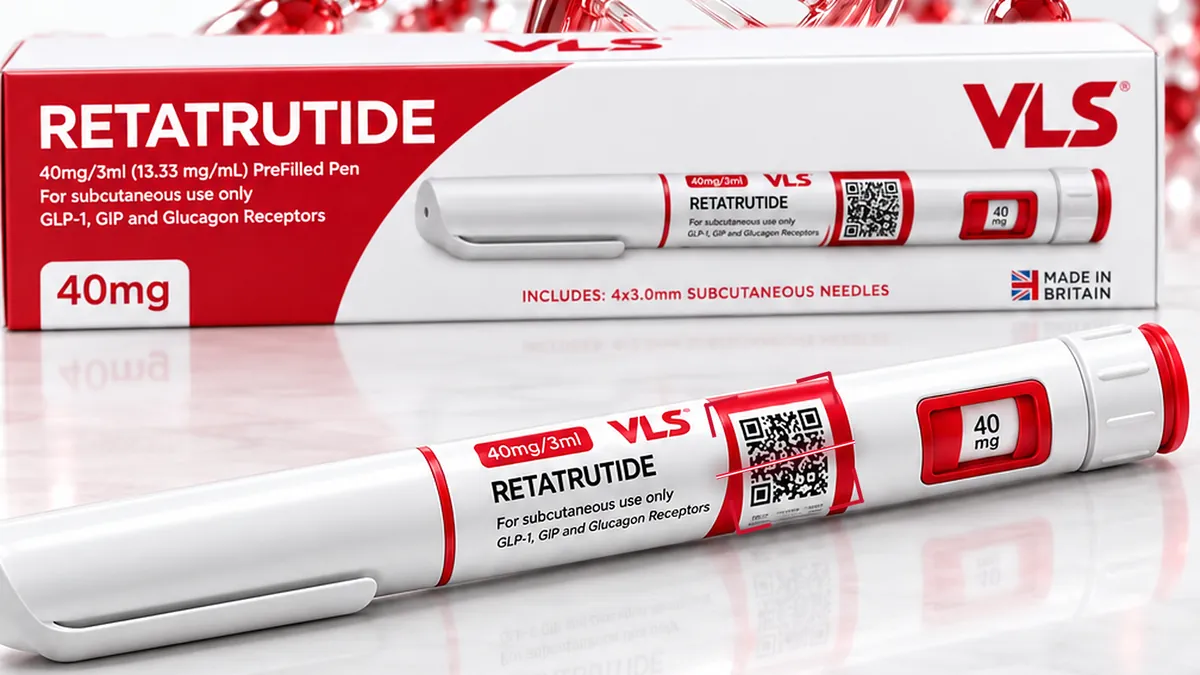
Batch, seal and serial number: what each code on the box shows and how to check it
What a batch code and a serial number each identify, how to check the seal and the code on the verification page or by WhatsApp, and what to keep as a record of the box.
Read article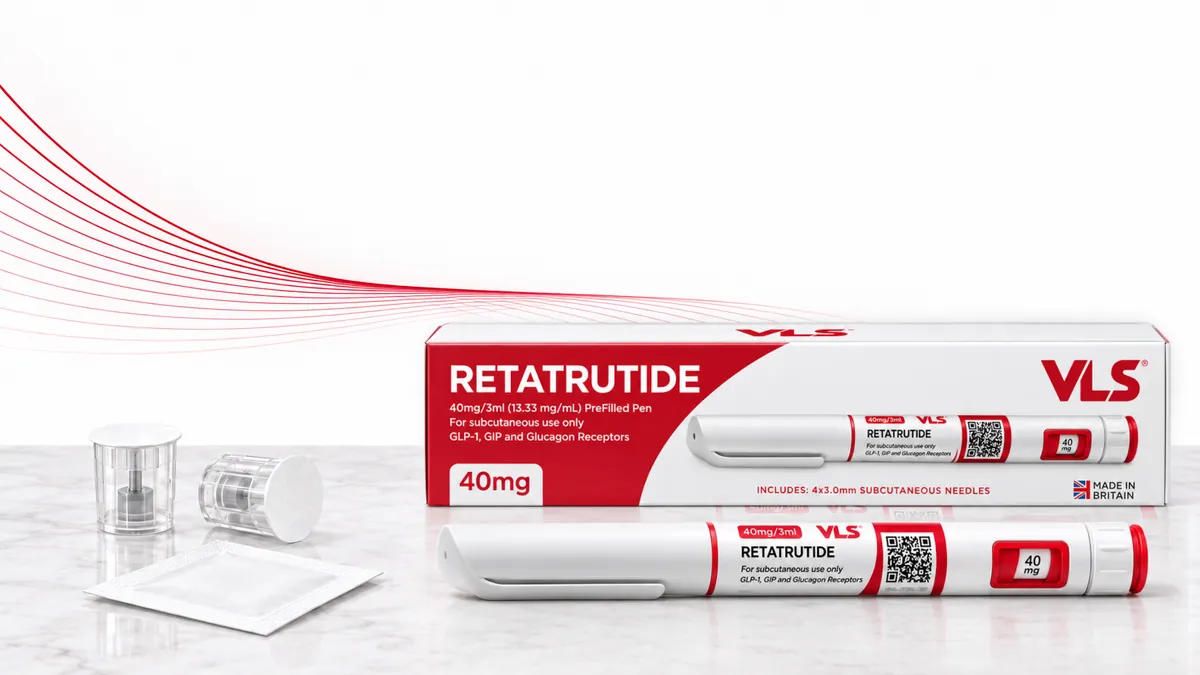
The multi-dose pen: parts, checks and care worth knowing about
What each part of a multi-dose pen does, what to check before opening the box and before each use, which safety habits matter, and how to keep the pen in the refrigerator between uses.
Read article
What is a peptide: from the amino acid sequence to the receptor
A peptide is a short chain of amino acids whose sequence decides which receptor it binds to. See how it forms, how it differs from a protein, and why synthesis and purity matter.
Read article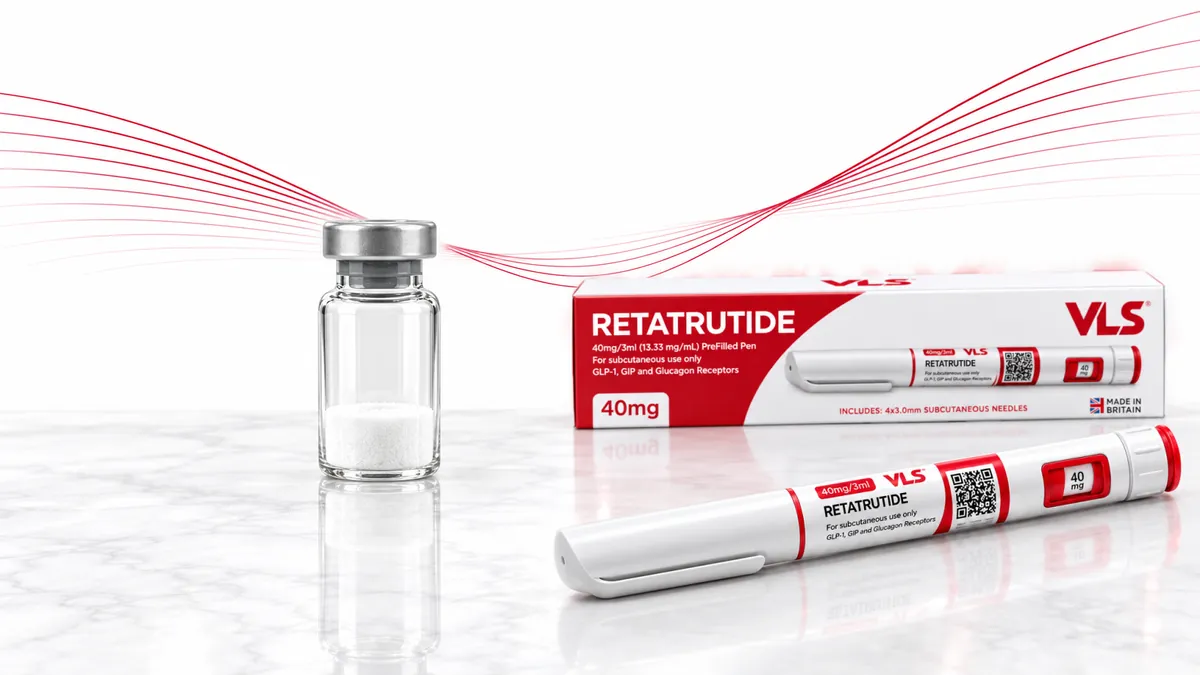
Powder vial or ready-to-use pen: what changes in practice
A short, descriptive contrast between a solution that arrives ready and a powder prepared before use: who does the preparation, how the amount is read, the batch and storage.
Read article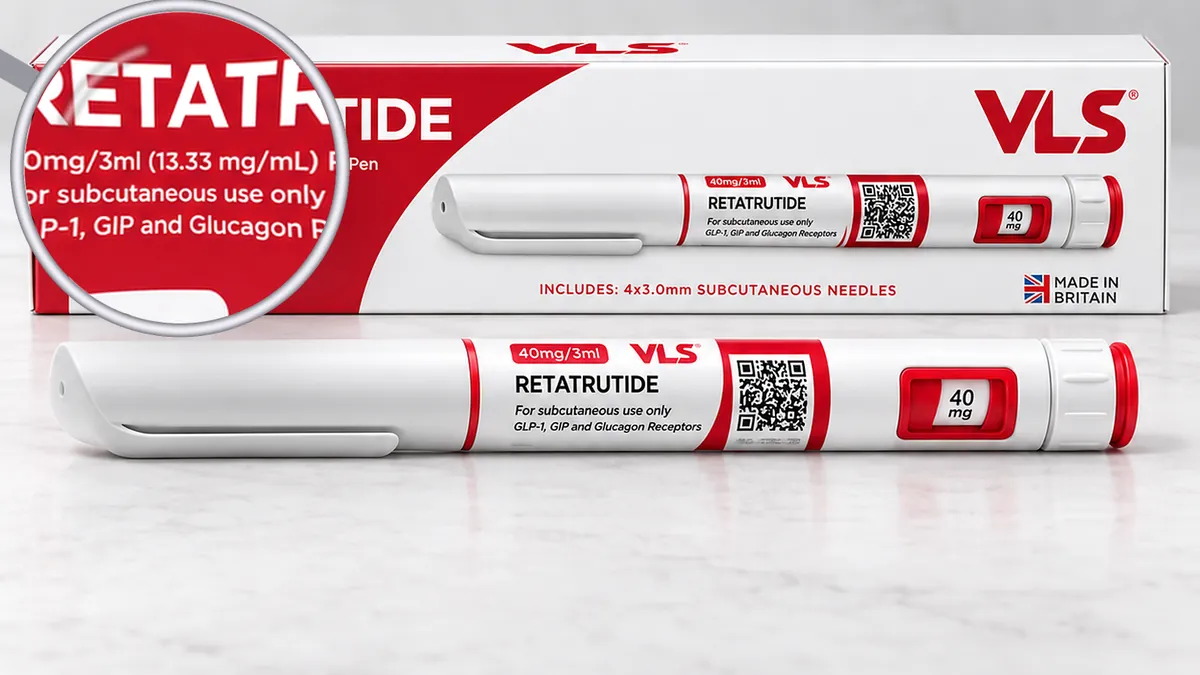
Reading the label with confidence: milligrams, millilitres and concentration
What milligrams, millilitres and concentration mean, why 40 mg in 3 mL gives 13.33 mg/mL, and what the batch number, expiry date and verification code on the box are for.
Read article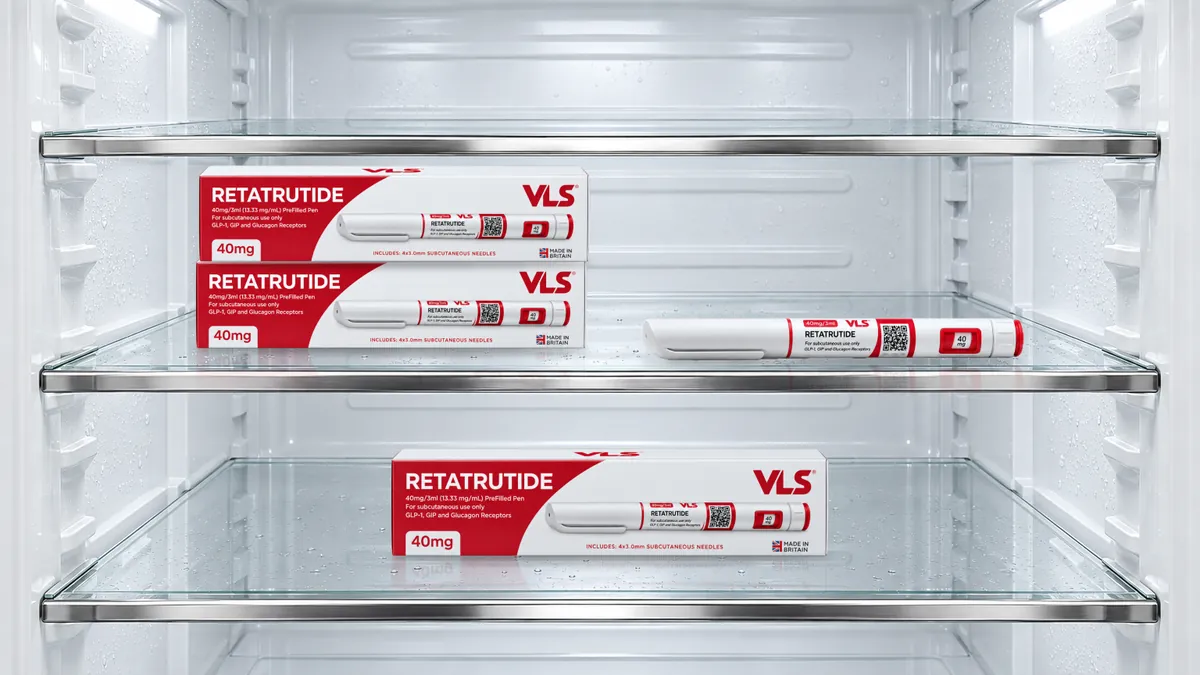
Cold, light and time: how to keep your pen in good condition
Refrigerator at 2 to 8 °C, away from light and heat, never frozen or shaken. Why the peptide is delicate, what takes its potency away, how to look after it at home and when travelling, and what to do if it was left out.
Read article
How to read a certificate of analysis: what each line means
Purity and impurities, mass, peptide content, water, solvents, microorganisms and endotoxins: what each line of the published certificate means, and how to ask for a finished-product batch.
Read article
Cardiovascular markers in a blood test: what they show and what they do not
Measuring something in the blood is not the same as seeing what happens to health. Learn the limits of any analysis and three families of markers: particles, their profile and inflammation.
Read article
When appetite and digestion change: eating, drinking, moving and resting
Small portions, water in sips, easy walks and regular sleep: everyday habits for any stretch of time in which appetite or digestion changes. Informational content.
Read article
From phase 1 to the TRIUMPH programme: how the evidence for a peptide is built
What each phase of a clinical trial answers, and how retatrutide moved from phase 1 and phase 2 into the phase 3 TRIUMPH programme, running since 2023.
Read article
A growing peptide market: why origin and production quality matter more
Sector estimates place therapeutic peptides between US$146 billion and US$164 billion for 2026. What is moving the market, and why factory, batch and certificate count for more.
Read article
Paraguay and Argentina: what the data say about demand for metabolic peptides
Official surveys show that roughly one in three adults in Paraguay and Argentina lives with obesity. What that means for the region, and what rising demand asks of the cold chain, the batch and verification.
Read article
What marks out a mature pharmaceutical industry: Paraguay and the region
Continuity, trained teams, written procedures, analytical control, batch tracing and the cold chain: six signs for reading the pharmaceutical industrial setting of the region.
Read article
Yoga gathering in Ciudad del Este: notes on movement, breathing and attention
A yoga and wellbeing gathering in Ciudad del Este was sponsored by VLS. Here is what we know of it, plus a few general thoughts on movement, breathing and body awareness.
Read article
Do obesity injections cause muscle loss? What the evidence shows
Part of the body weight reduced with tirzepatide is lean mass. What the studies measured, why muscle matters for longevity and what helped to preserve it in the trials.
Read article
Does poor sleep cause weight gain? What science says about metabolism
Controlled trials show that short sleep disrupts glucose control and increases hunger, and that sleeping longer reduced how much people ate. What the studies say and where sleep apnoea fits in.
Read article
Tirzepatide: what the research proved and why it costs so much
Tirzepatide delivered strong results in phase 3 trials, yet in the United States it lists at over US$1,000 a month. The public figures show that this price is a choice, not a cost.
Read articleGot the box in your hand?
Check the code on the packaging at the manufacturer’s official page, or send us the batch number on WhatsApp.