
 Presented by PAY FIT


01
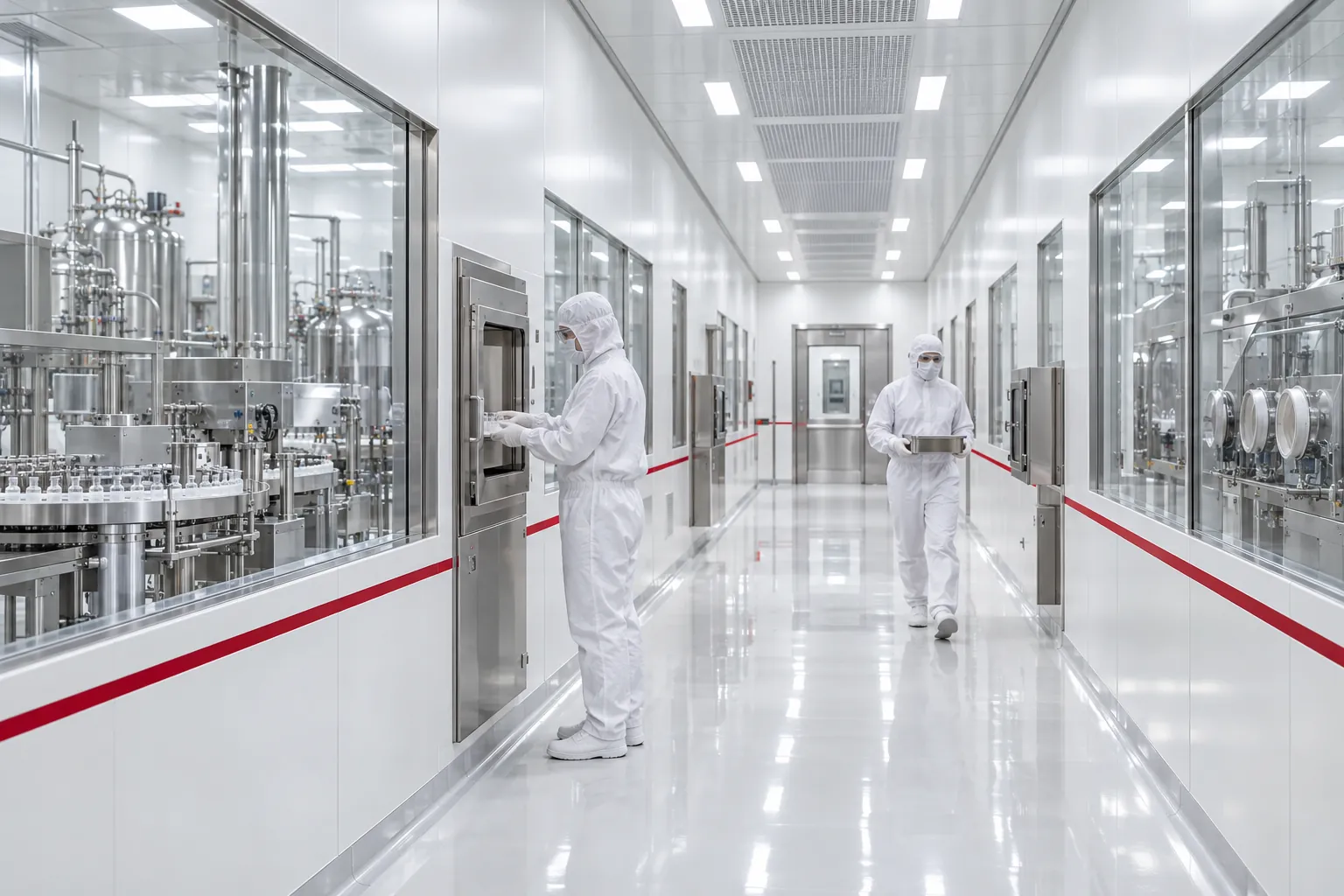
Clean room and controlled environment
Critical stages take place in clean rooms, with filtered air and environmental conditions that are controlled and recorded. Staff enter in dedicated clothing and follow written procedures.
VLS Peptides makes what it offers. This tour follows the plant stage by stage, from the air of the clean room to the laboratory results recorded in each batch's certificate.
Putting on a label is easy. Manufacturing takes something else: clean rooms, calibrated equipment, trained staff and records that can be reviewed at any time. VLS took the long road and produces in its own plant.
That decision has a practical consequence for anyone who uses the pen: every unit has a history. We know which batch it was filled in and which tests it passed.
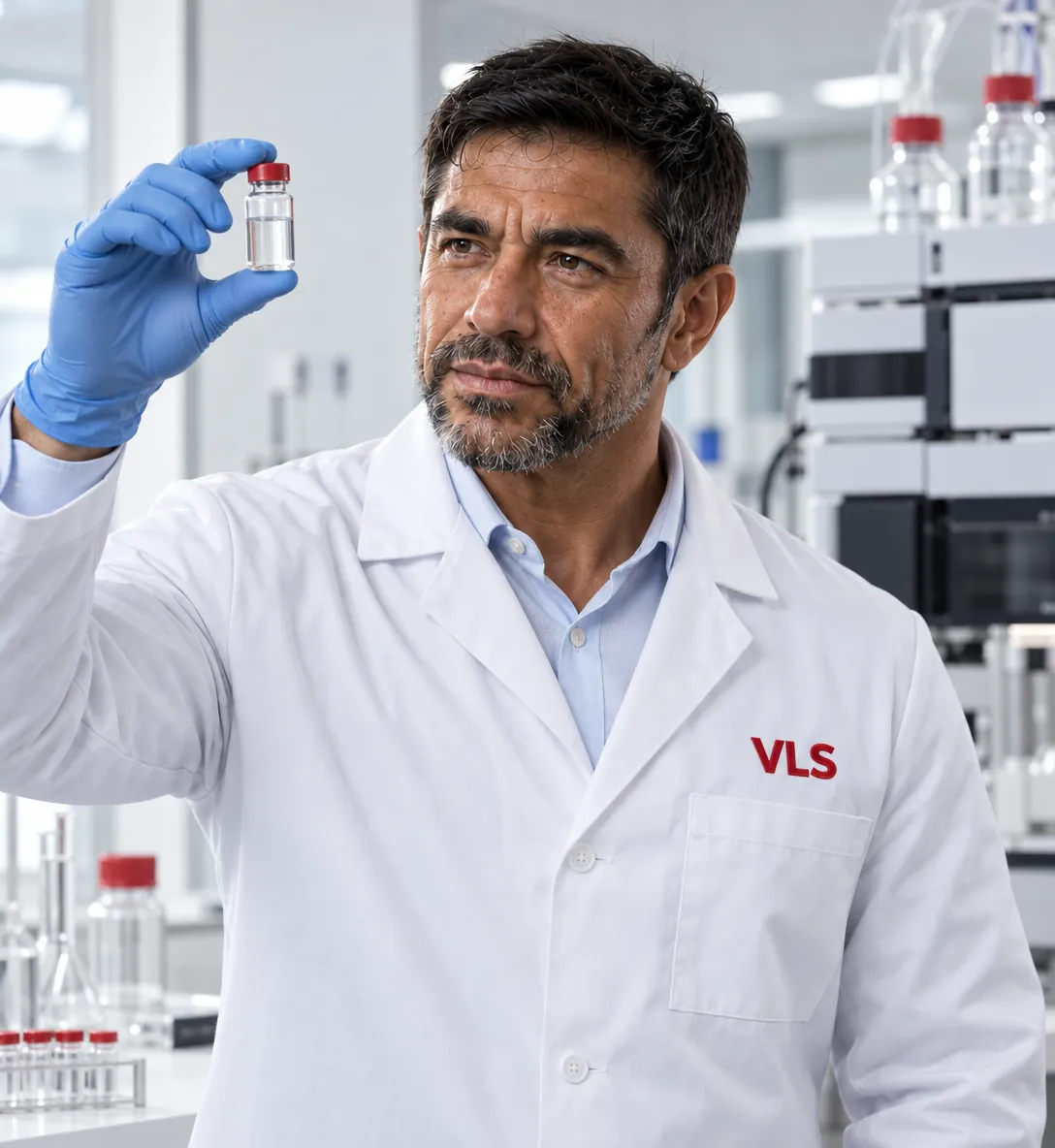 VLS technical team in the quality-control laboratory · Illustrative images of the production stages.
Every stage leaves a record and the procedures are written down.
Written procedures, a controlled environment and equipment, and trained staff, with a record of every stage.
The batch and the code stay with each unit from the filling line to your hands.
This is how a VLS pen is built, in the order it happens in the plant.
Critical stages take place in clean rooms, with filtered air and environmental conditions that are controlled and recorded. Staff enter in dedicated clothing and follow written procedures.
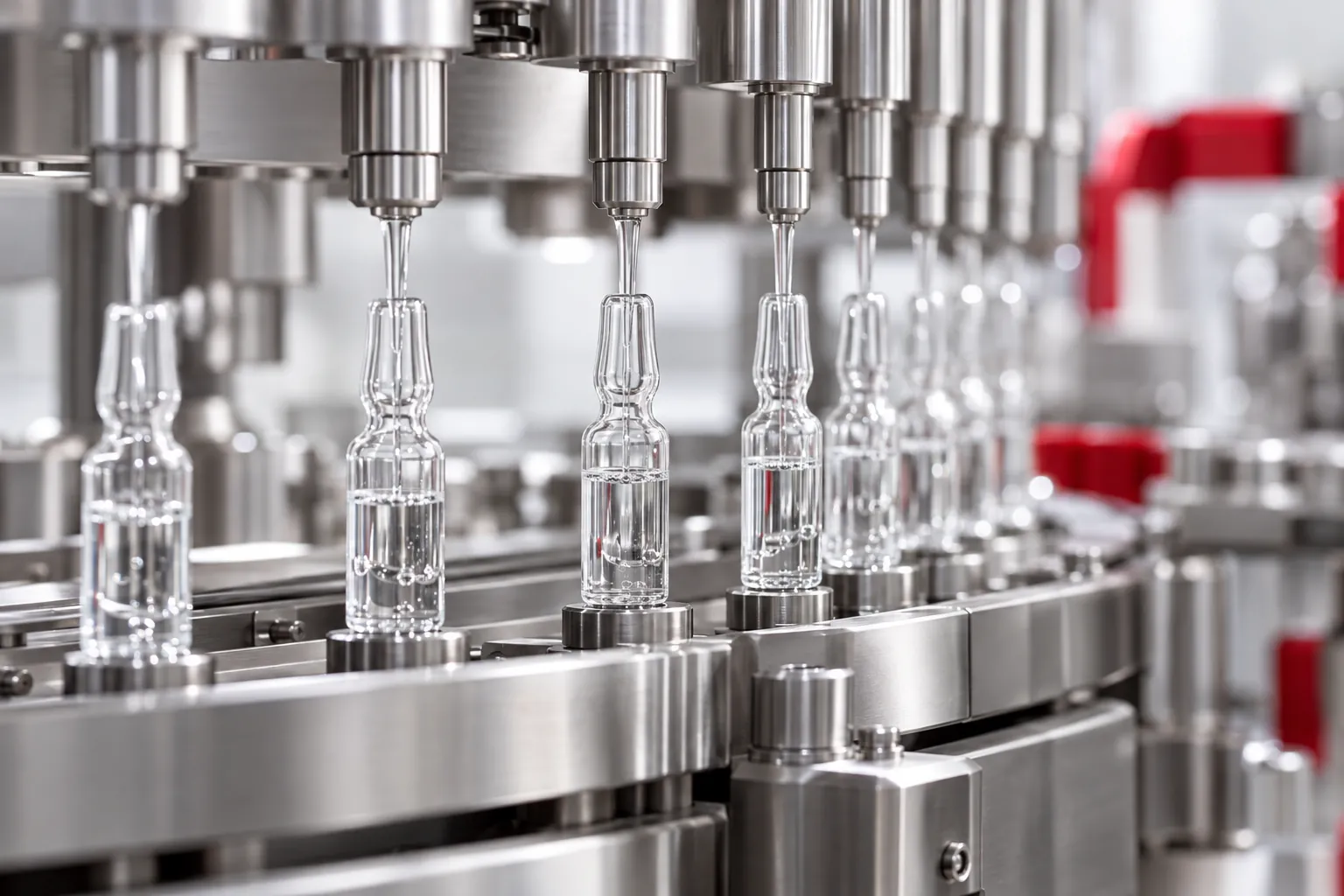
An automated line fills each ampoule with the same volume of solution. That way every unit holds 40 mg in 3 mL, without the variation of manual filling.
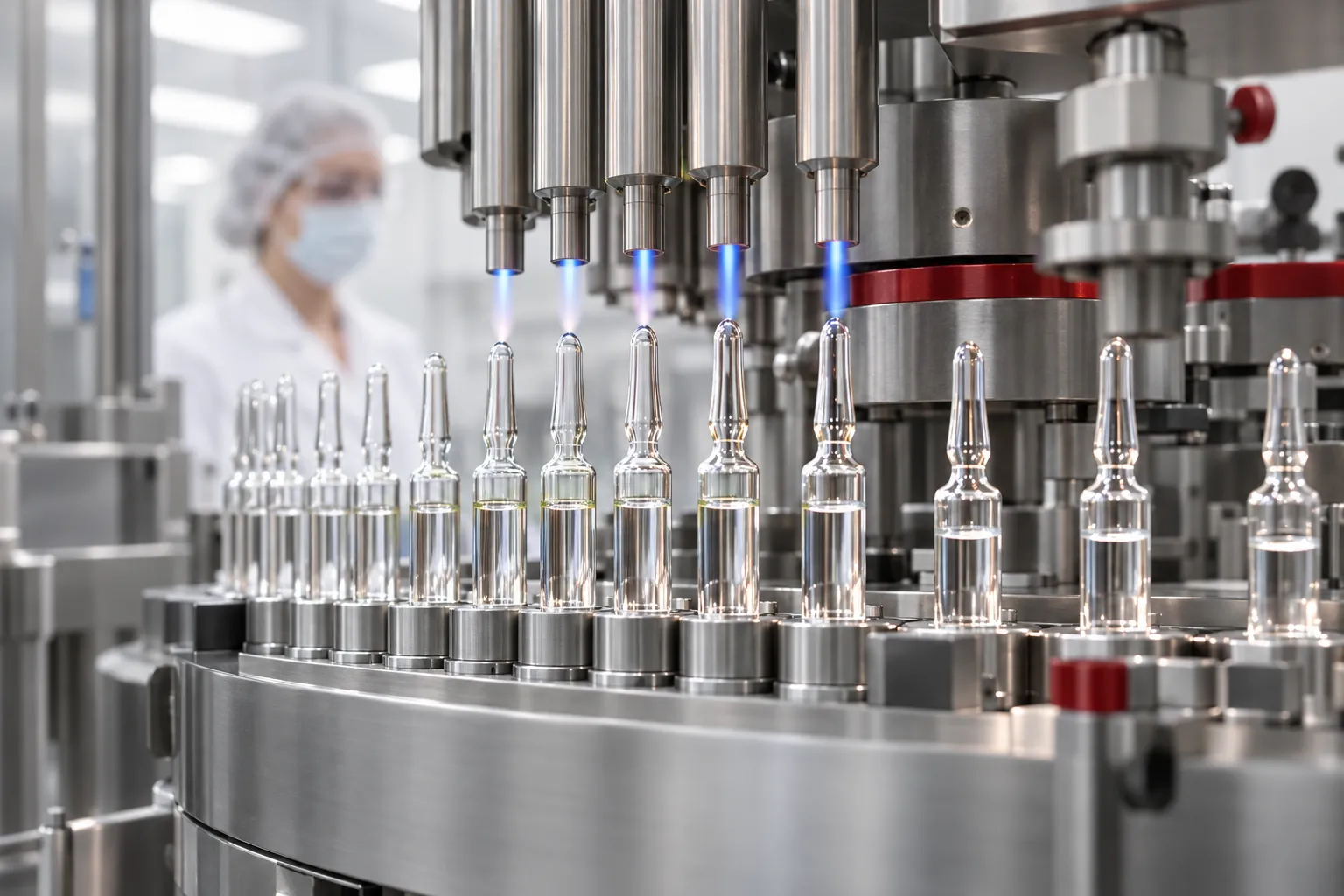
As soon as filling ends, each ampoule is sealed hermetically to protect its contents. The seal is inspected before the next stage.
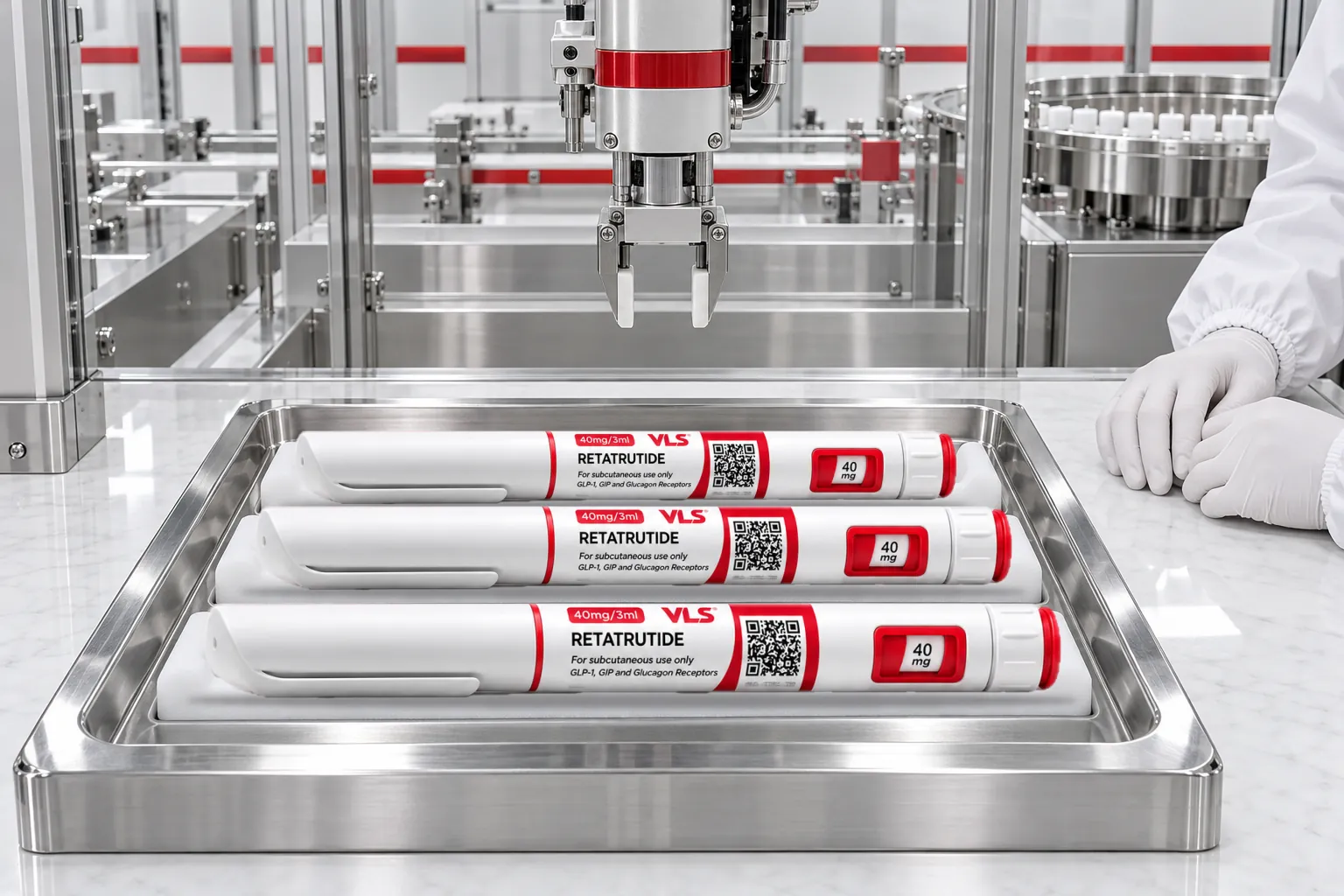
The sealed ampoule is fitted into the body of the multi-dose pen, with its window and selector. Every assembled unit is checked before it goes to packaging.
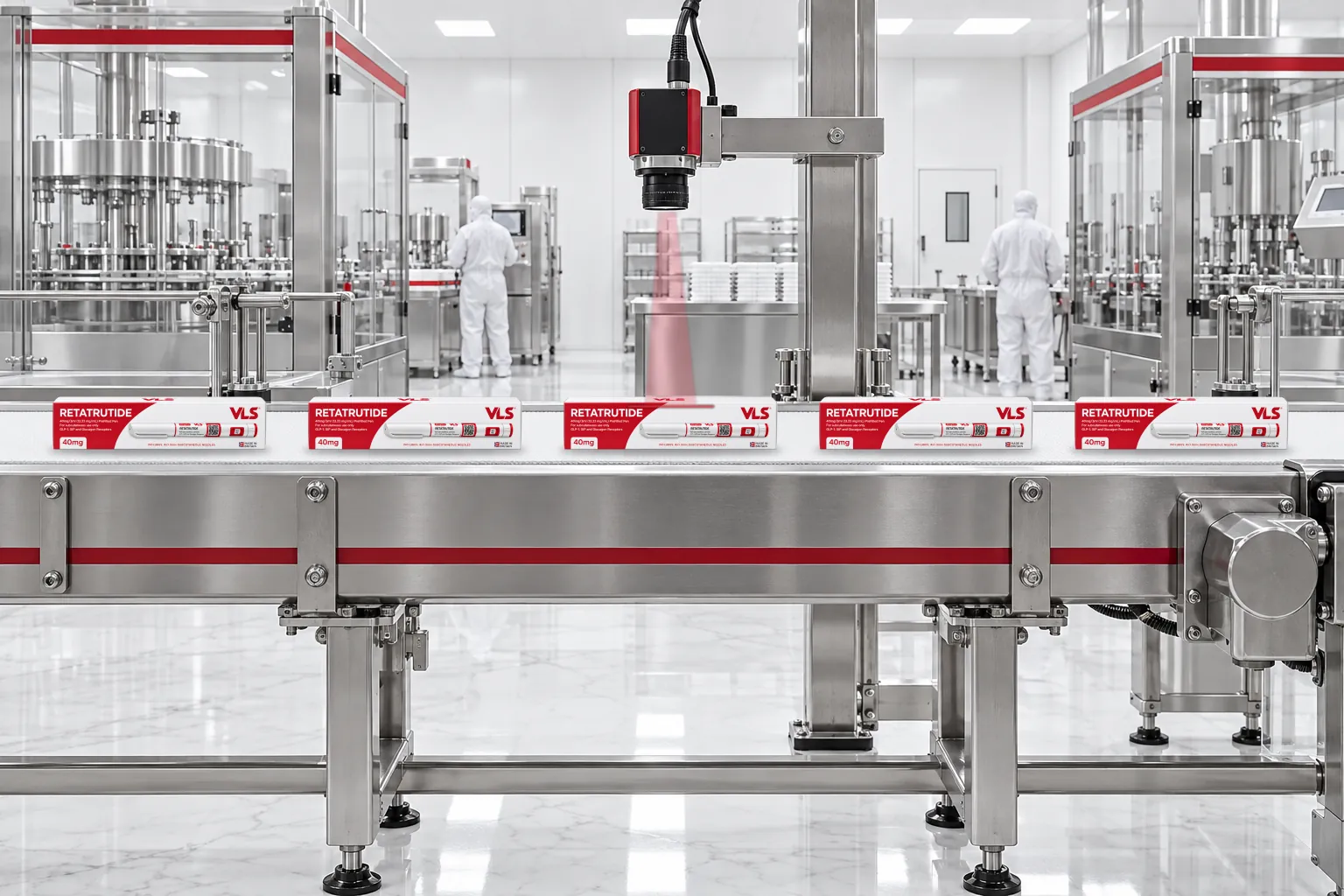
The pen is placed in its box together with 4 needles of 3.0 mm. The packaging receives a batch number, an expiry date, a verification code and a security seal.
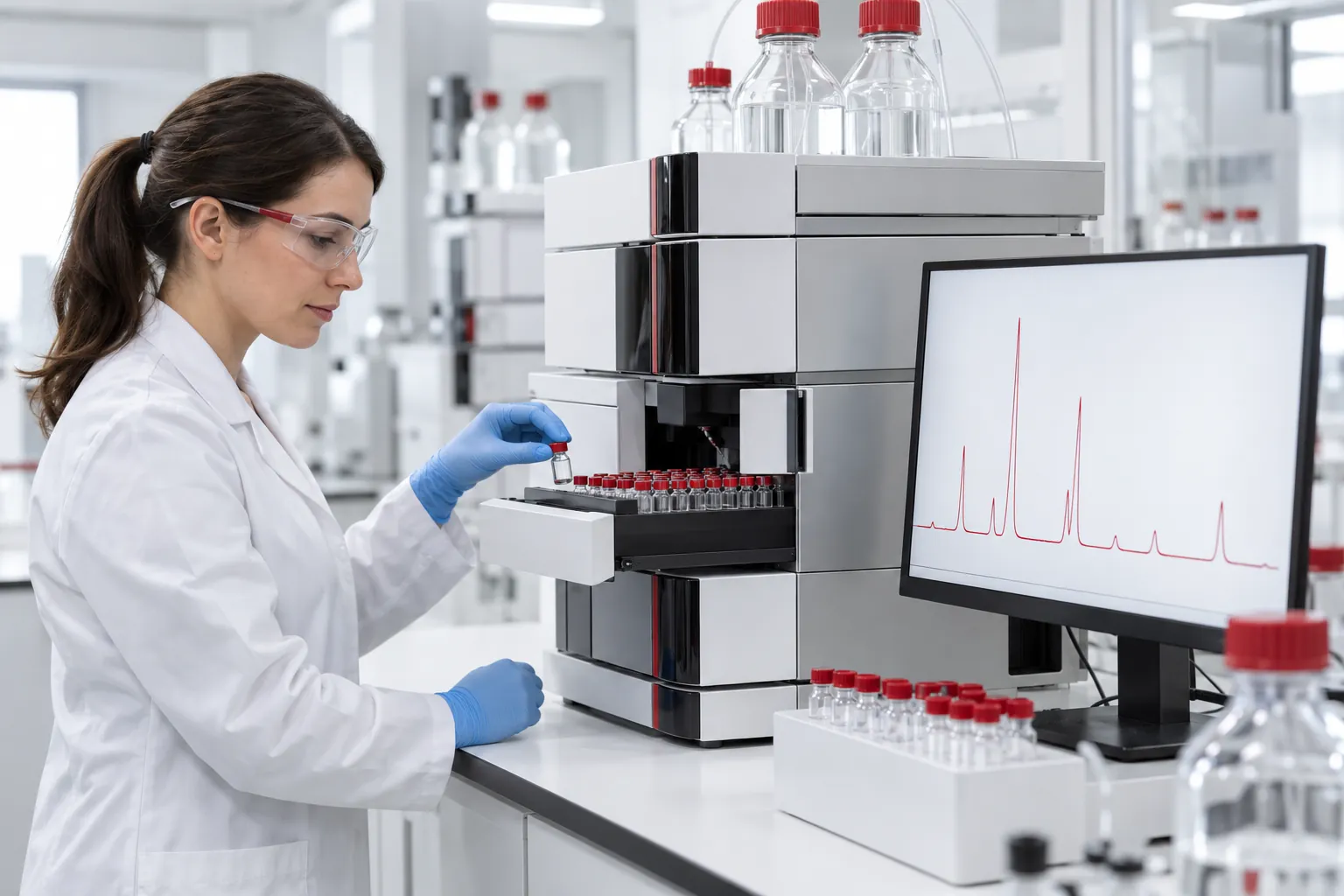
Samples from each batch are analysed to confirm identity, purity and content, and the results are recorded in the certificate of analysis.
Illustrative images of the production stages.
Before leaving the plant, every batch answers three questions: which molecule it is, how pure it is and how much it contains.
The measured molecular mass is compared with the expected one to confirm that the filled molecule is the one the label declares.
Expressed as a percentage: how much of the analysed material is the main peptide and how much is impurities.
Confirms that the amount of peptide matches what is declared.
The results for each batch are recorded in its certificate of analysis.
Yes. The solution is filled into the ampoule and the pen is assembled in the plant. There is nothing to mix or reconstitute: you simply fit a new needle before each use.
The batch number is printed on the box, alongside the expiry date and the verification code. With that number you can find the matching certificate of analysis.
Yes. Samples from each batch are analysed and the results are recorded in the certificate of analysis (COA). The active-ingredient certificate is published on this site; certificates for other batches can be requested on WhatsApp.
Because peptides are sensitive to temperature and the quality measured in the laboratory has to be preserved until use. That is why the pen is stored between 2 and 8 °C, at home as well.
The active-ingredient certificate (batch R20260318) is published as a PDF; certificates for other batches can be requested on WhatsApp.