 Presented by PAY FIT


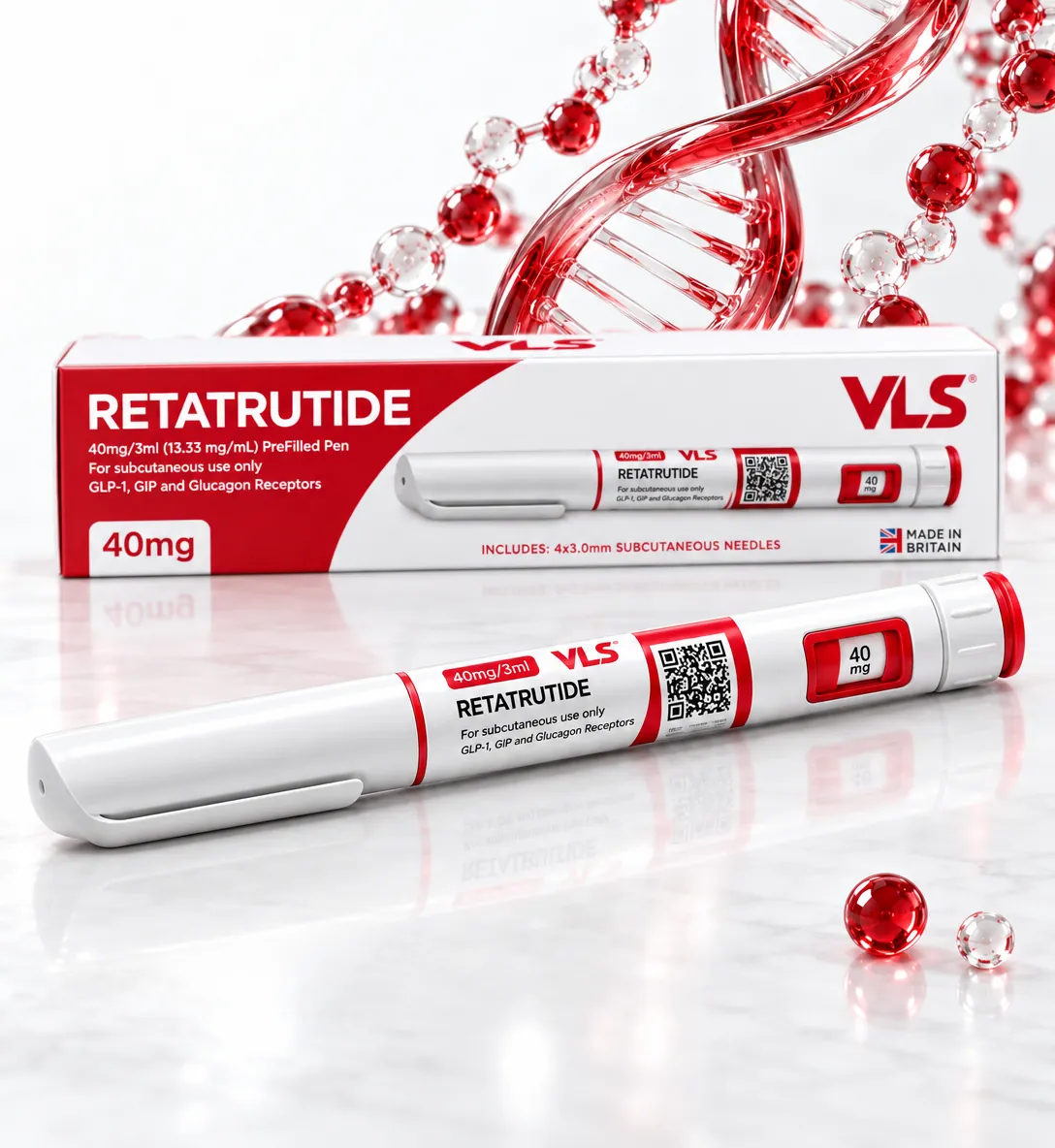
Retatrutide 40 mg · multi-dose pen
The concentration is fixed at the factory.
Each pen holds 40 mg of retatrutide in 3 mL of solution (13.33 mg/mL), ready to use with no mixing steps. Every batch has its own certificate of analysis.
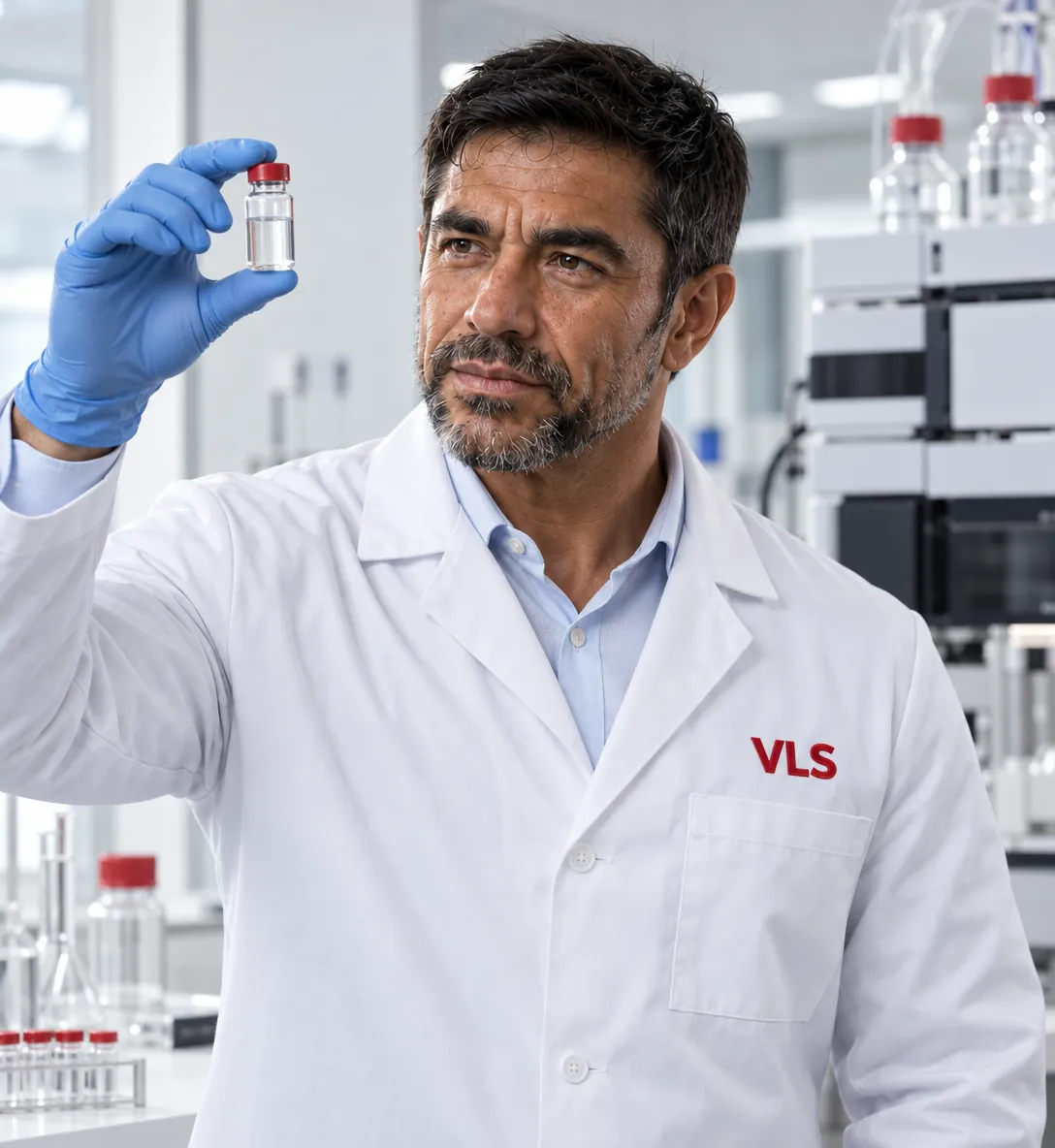
 VLS technical team beside the filling line · Illustrative images of the production stages.
Manufacturing is not the same as putting a label on something. It takes clean rooms, calibrated equipment, trained staff and records that can be reviewed at any time. That structure lets us answer for each pen: which batch it was filled in and which tests it passed.
The journey of a pen through the plant, in the order it happens.
 01
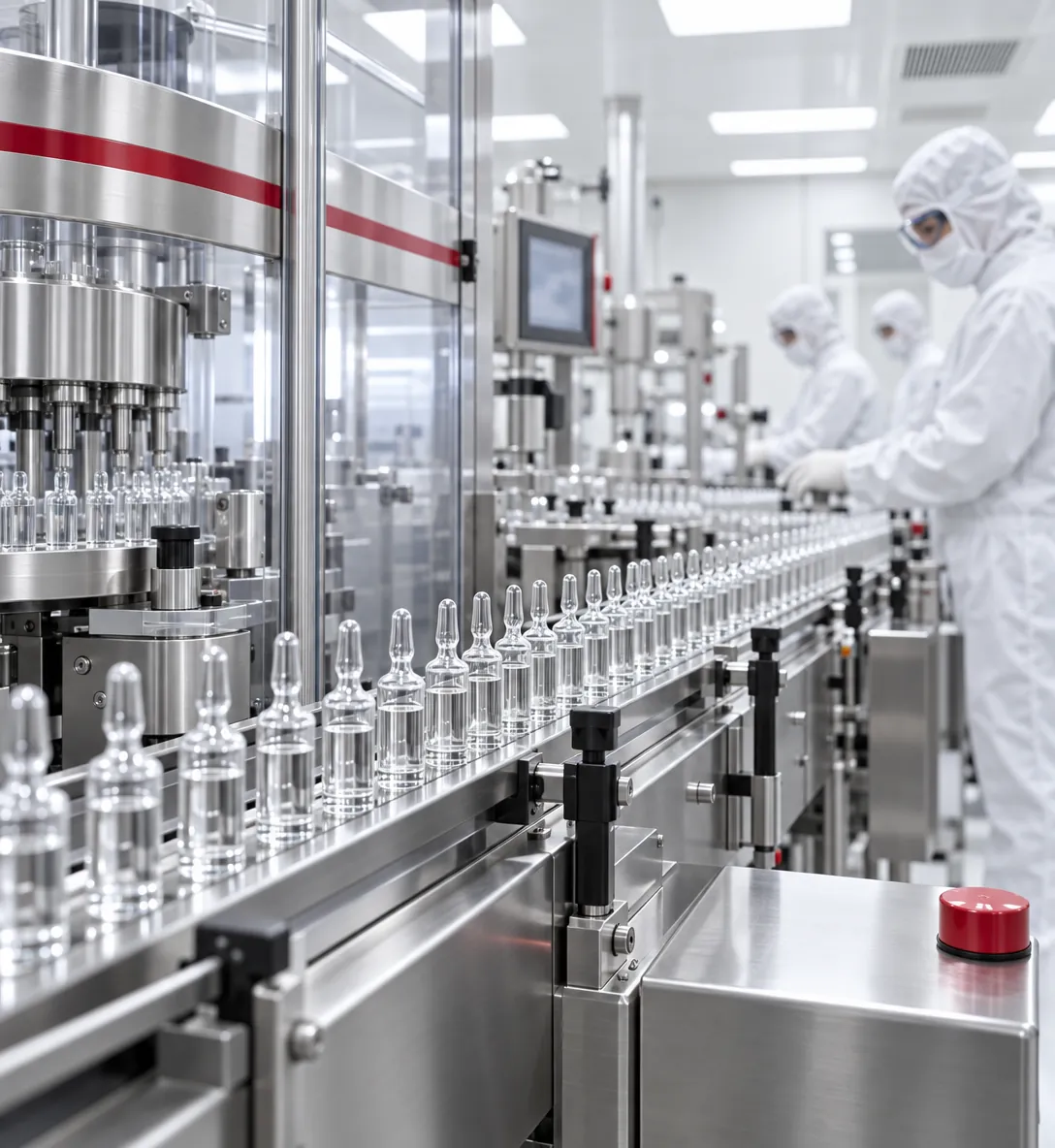
Critical stages take place in clean rooms, with filtered air and environmental conditions that are controlled and recorded. Staff enter in dedicated clothing and follow written procedures.
 02
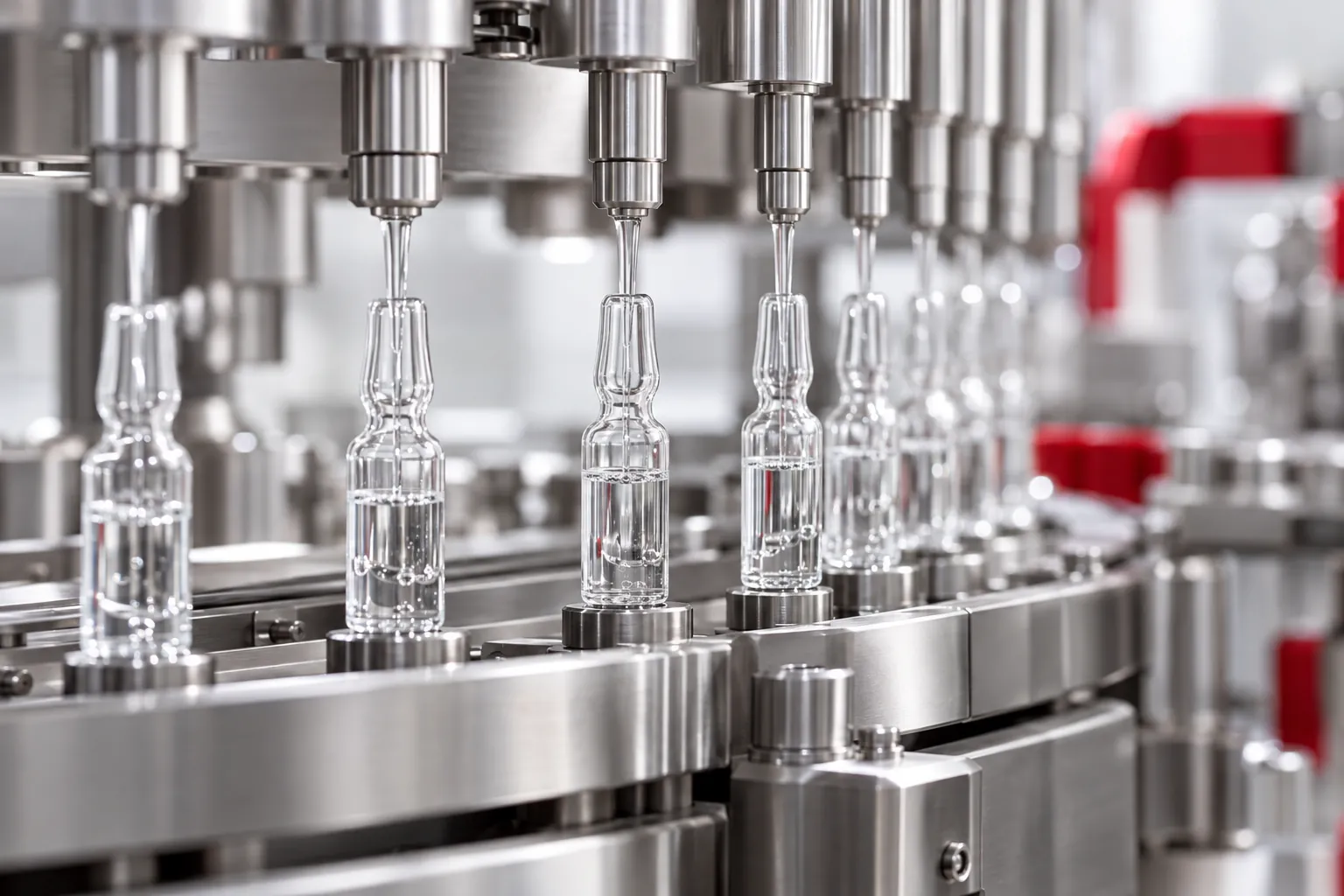
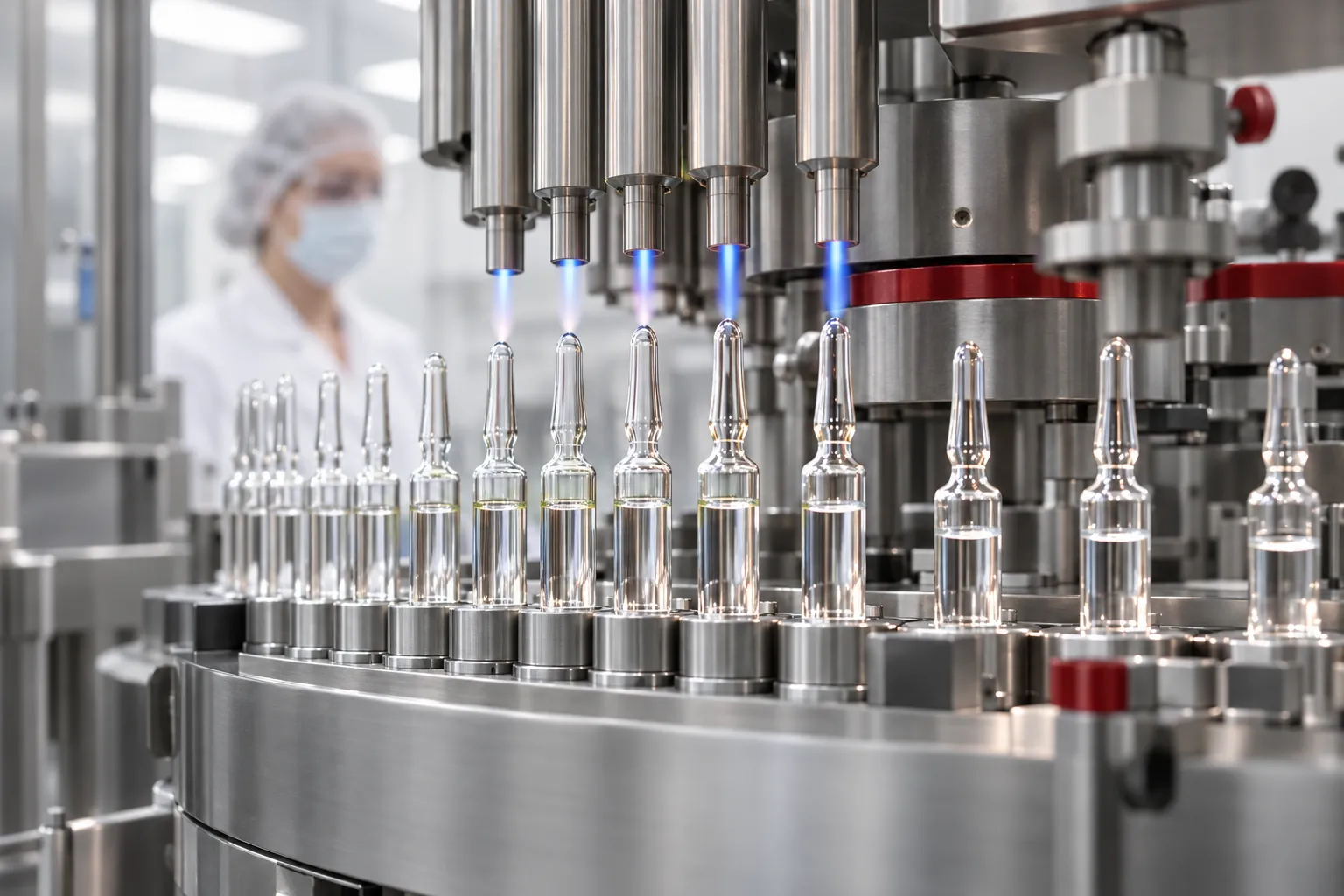
An automated line fills each ampoule with the same volume of solution. That way every unit holds 40 mg in 3 mL, without the variation of manual filling.
 03
As soon as filling ends, each ampoule is sealed hermetically to protect its contents. The seal is inspected before the next stage.
 04
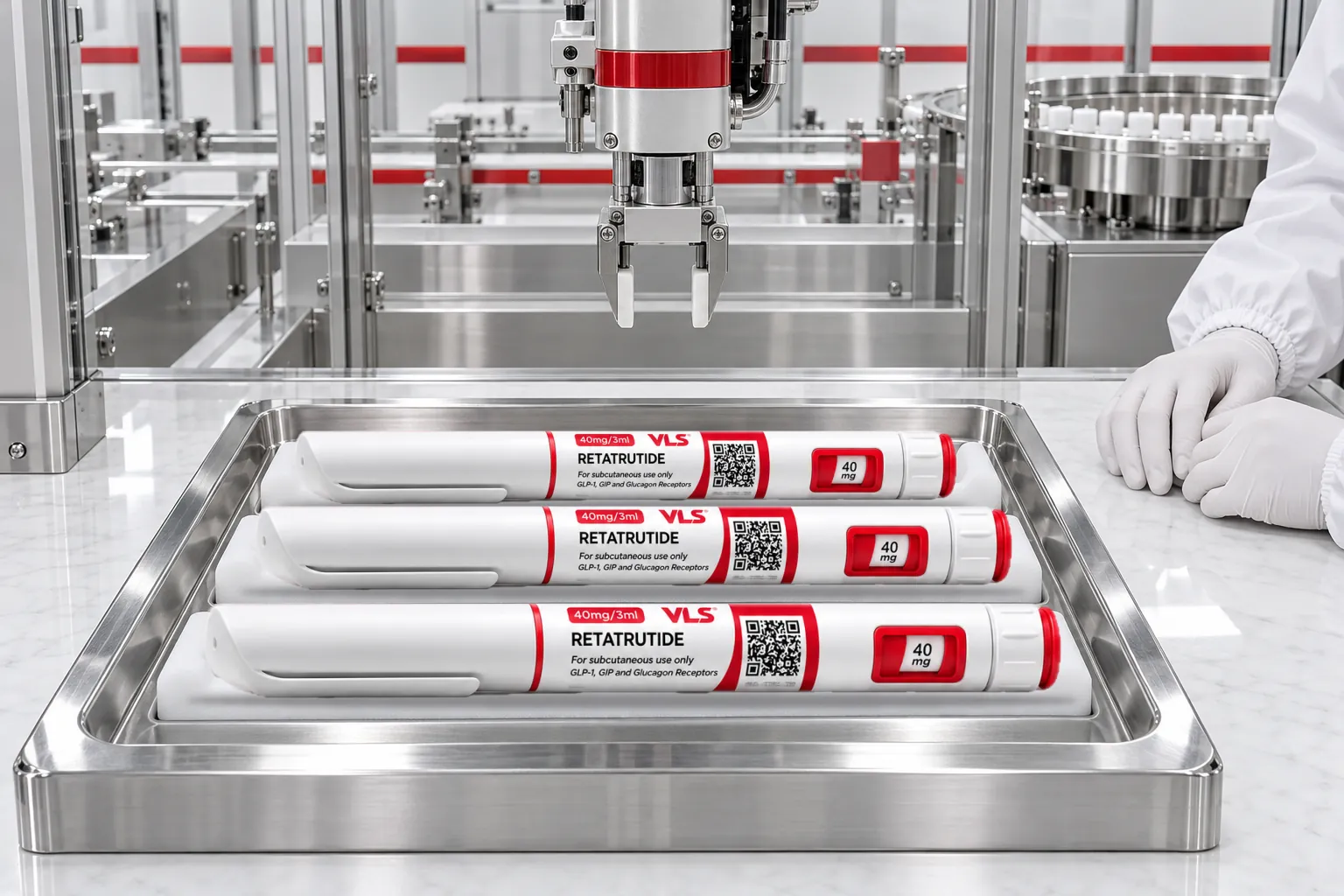
The sealed ampoule is fitted into the body of the multi-dose pen, with its window and selector. Every assembled unit is checked before it goes to packaging.
 05
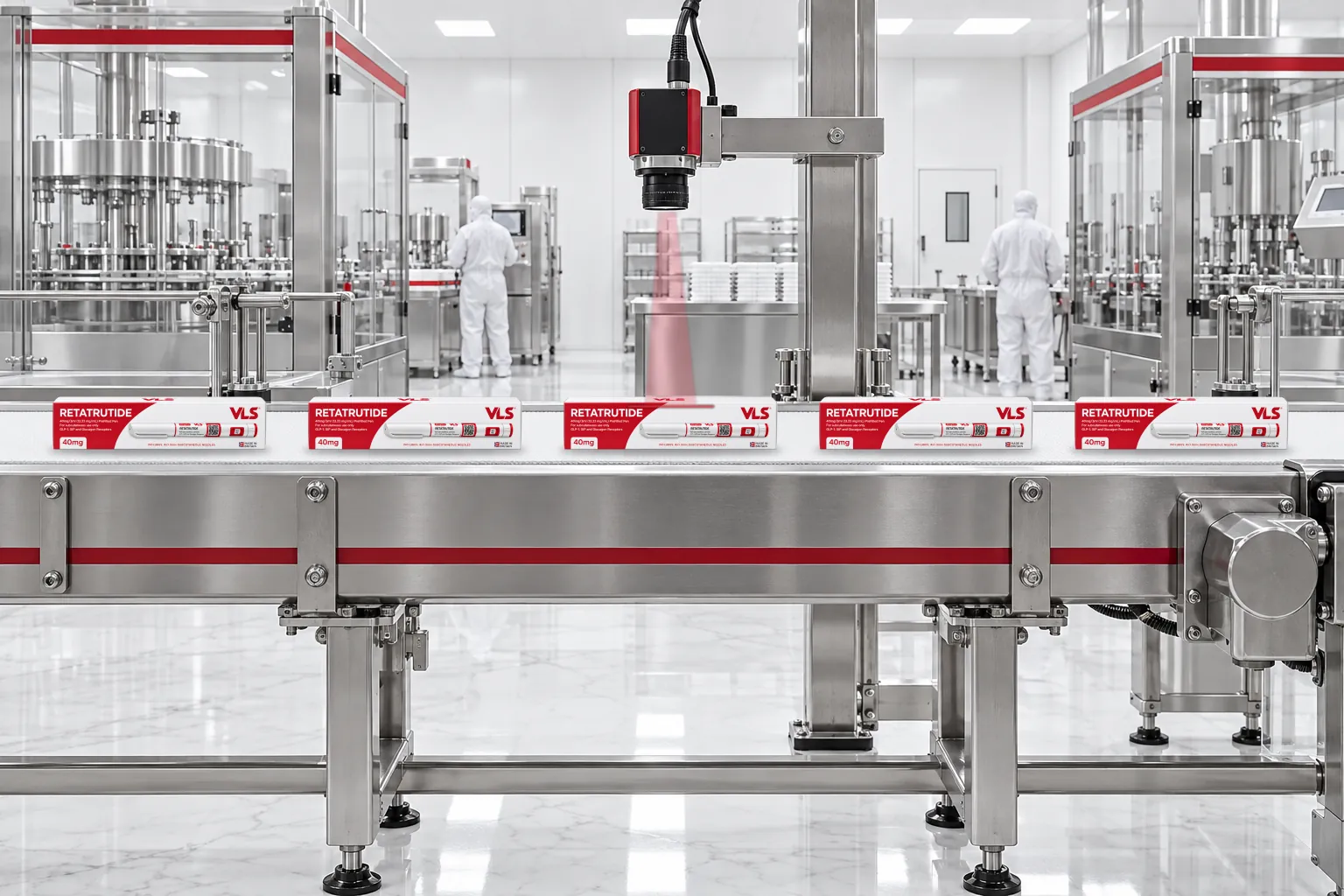
The pen is placed in its box together with 4 needles of 3.0 mm. The packaging receives a batch number, an expiry date, a verification code and a security seal.
 06
Samples from each batch are analysed to confirm identity, purity and content, and the results are recorded in the certificate of analysis.
See each stage in detail Illustrative images of the production stages.
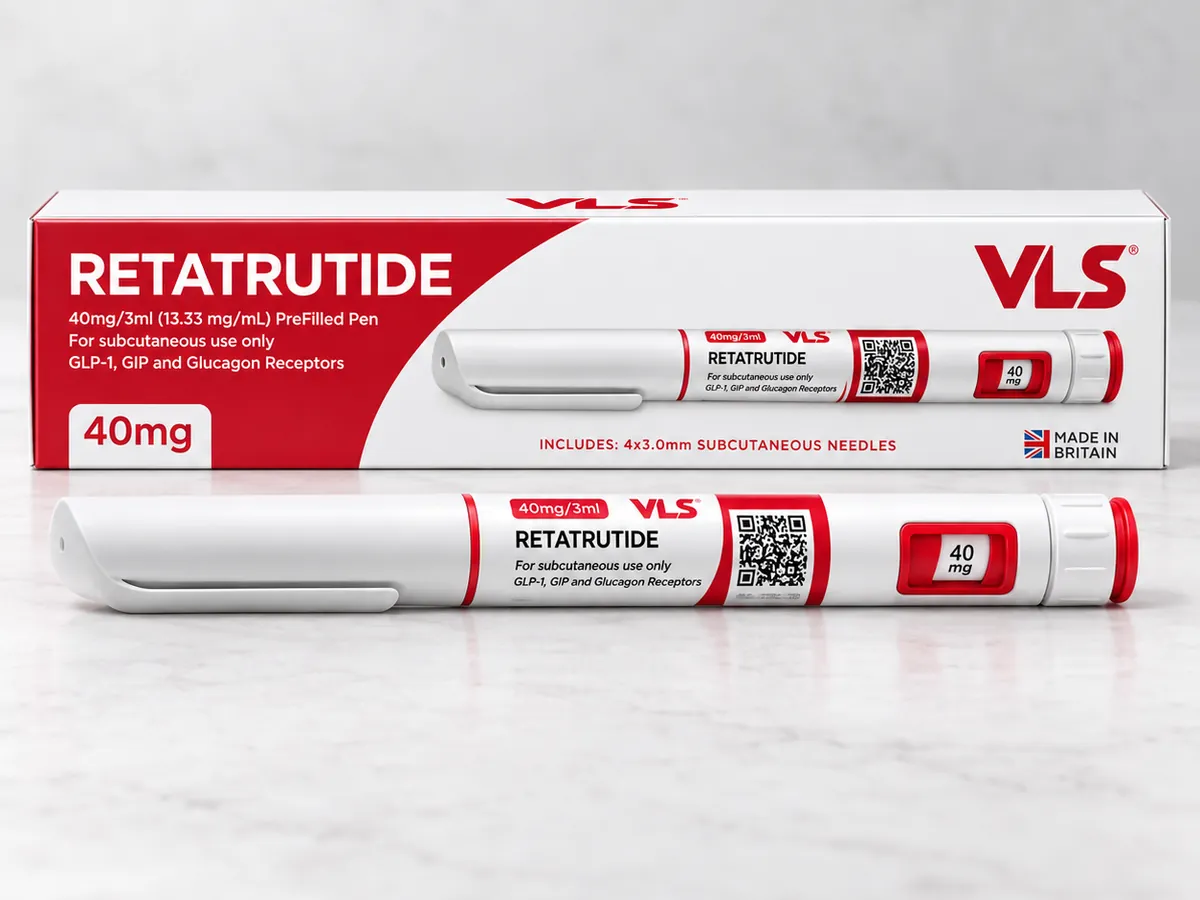
A solution prepared at the factory, in a prefilled pen. There is no powder to dissolve and no reconstitution calculations to make. The box holds the pen with 4 needles of 3.0 mm.
Retatrutide was designed to switch on the receptors for GLP‑1, GIP and glucagon at the same time, three signals the body uses to coordinate appetite, glucose and energy expenditure. It is being studied in phase 3 clinical trials, and the published results describe group averages, never what will happen in any one person.
A peptide is a short chain of amino acids. The order of that chain decides which receptor it recognises and which message it triggers.
Amino acids linked in a precise order. Change just one and you have a different molecule.
Each sequence fits specific receptors on the cell surface, like a key in its lock.
Once the receptor is activated, the cell receives an instruction that plays a part in appetite, glucose or energy expenditure.
The science behind retatrutide and the multi-dose pen, explained in detail in a separate briefing. Opens in a new tab.
Lyophilised powder calls for reconstituting, calculating and loading a syringe. The prefilled pen moves those steps into the factory.
Certificates of analysis (COA) show what was measured in each batch: purity, molecular mass, pH, peptide content, microbial limits and endotoxins. In retatrutide batch R20260318, the reported purity was 99.38%.
View certificatesRetatrutide · produced 18 Mar 2026
Articles on peptides, the pen, cold storage, how to read certificates and what has been published about retatrutide.
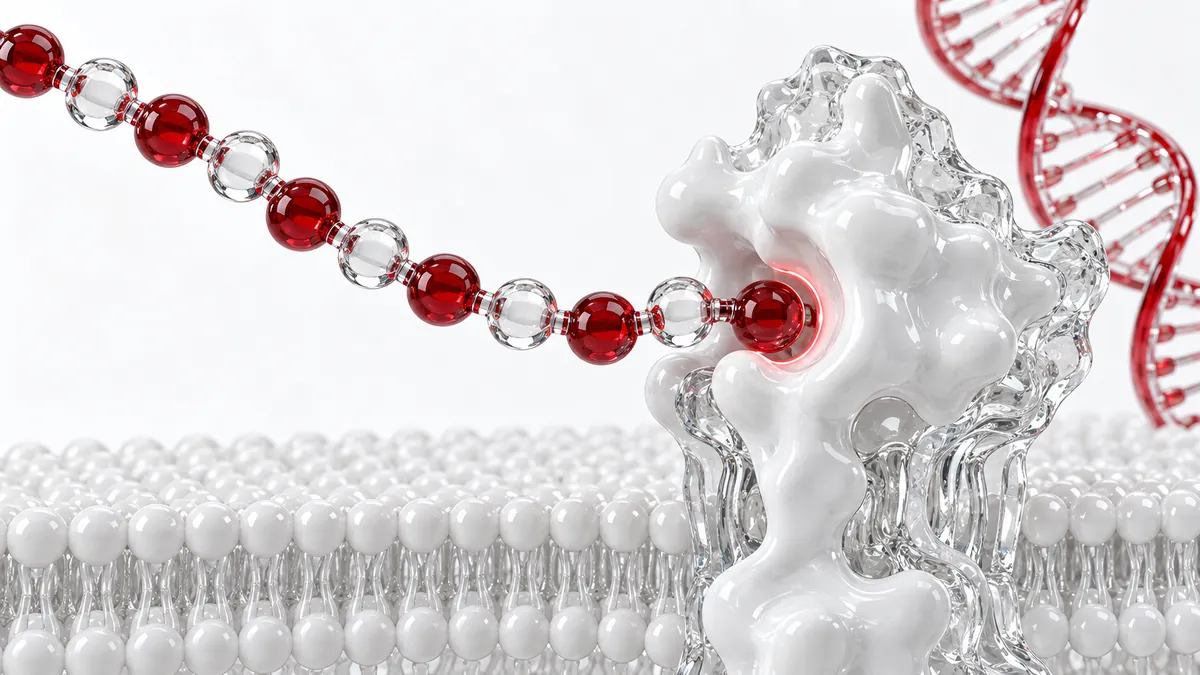
A peptide is a short chain of amino acids whose sequence decides which receptor it binds to. See how it forms, how it differs from a protein, and why synthesis and purity matter.
Read article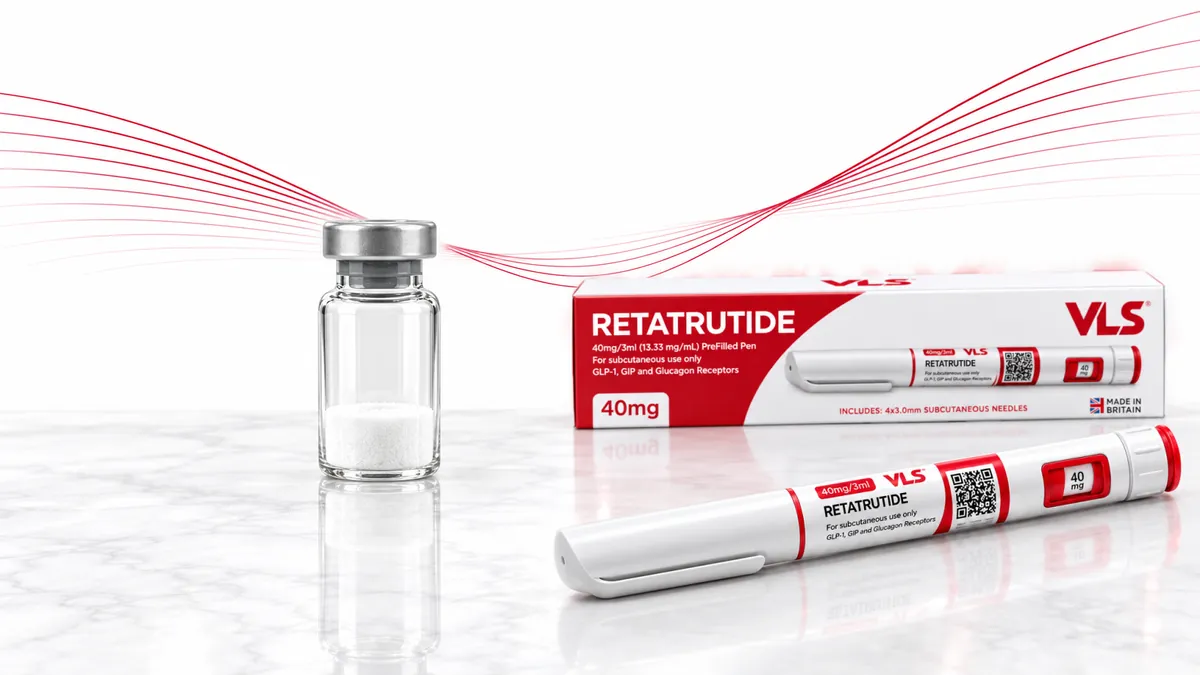
A short, descriptive contrast between a solution that arrives ready and a powder prepared before use: who does the preparation, how the amount is read, the batch and storage.
Read article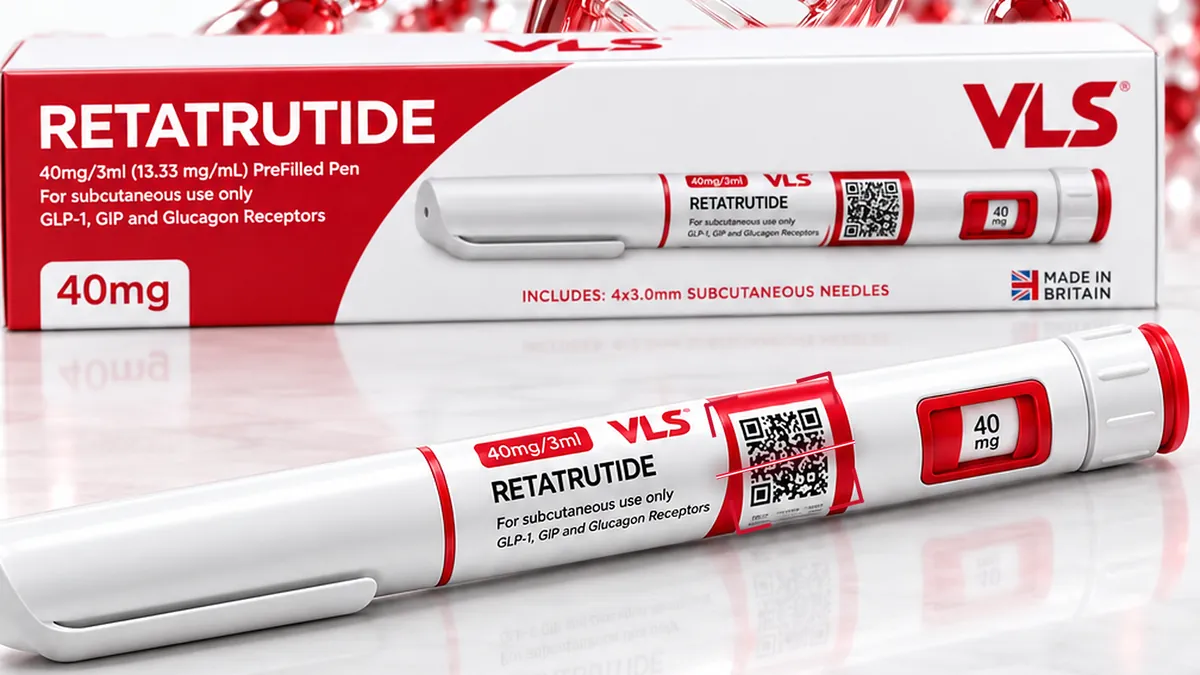
What a batch code and a serial number each identify, how to check the seal and the code on the verification page or by WhatsApp, and what to keep as a record of the box.
Read articleThe solution is prepared, filled into an ampoule and fitted into the body of the pen inside the plant. Whoever receives it mixes and dissolves nothing: they fit a new needle and select the setting in the window.
The batch number is printed on the box, alongside the expiry date and the verification code. That number lets you locate the matching certificate of analysis.
The first analogues acted on a single receptor, GLP‑1. Then came those that add GIP. Retatrutide adds the glucagon receptor: three targets in one molecule. Published studies examine that combination in groups of participants.
A lyophilised vial is reconstituted before use, and the final concentration depends on how it is prepared. The pen arrives with the solution ready and the concentration set at the factory, so the manual steps and the way the amount is read are different.
It is the concentration: how many milligrams of retatrutide there are in each millilitre of solution. It comes from dividing 40 mg by 3 mL. The pen’s window already shows the selected setting, so you do not need to do that conversion in order to use it.
Check the code on the packaging at the manufacturer’s official page, or send us the batch number on WhatsApp.