 Presented by PAY FIT


The multi-dose pen: parts, checks and care worth knowing about
What each part of a multi-dose pen does, what to check before opening the box and before each use, which safety habits matter, and how to keep the pen in the refrigerator between uses.
A multi-dose pen is easier to handle with confidence when you know its parts, check what needs checking before using it and look after it between uses. This guide covers those three areas in general terms. The application procedure, meaning the part of the body, the technique, the amount and the frequency, is what your healthcare professional and the manufacturer's instructions set out; for a summary of handling, see the How to use page.
The parts and what each one does
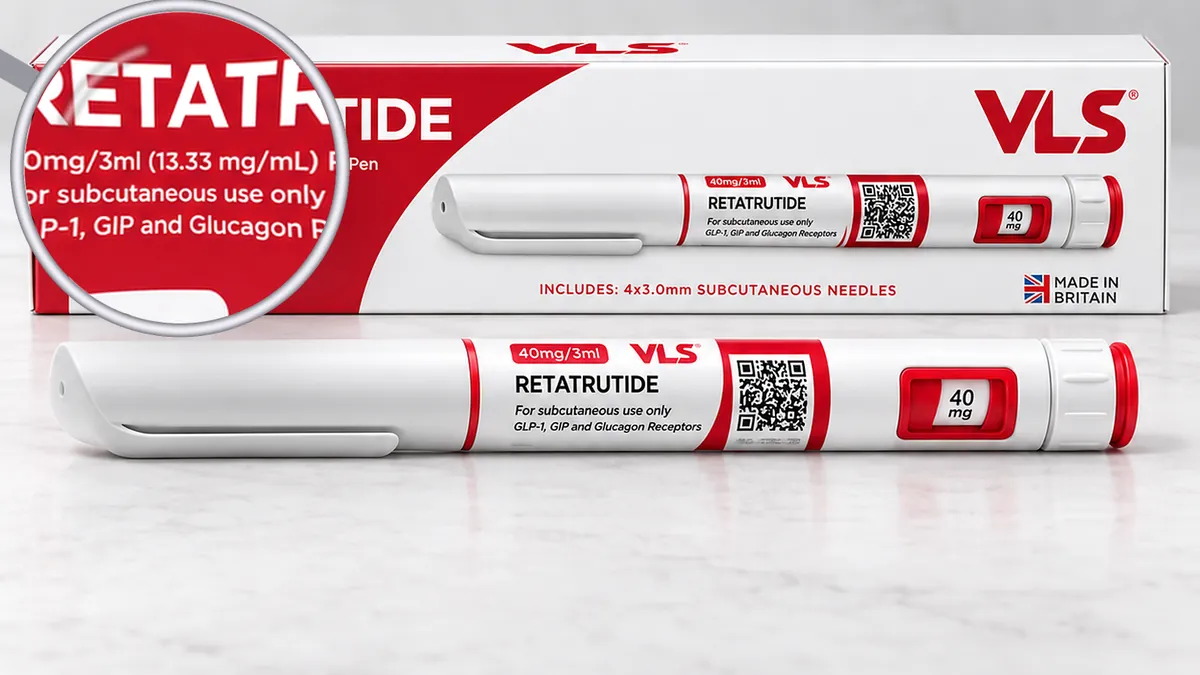
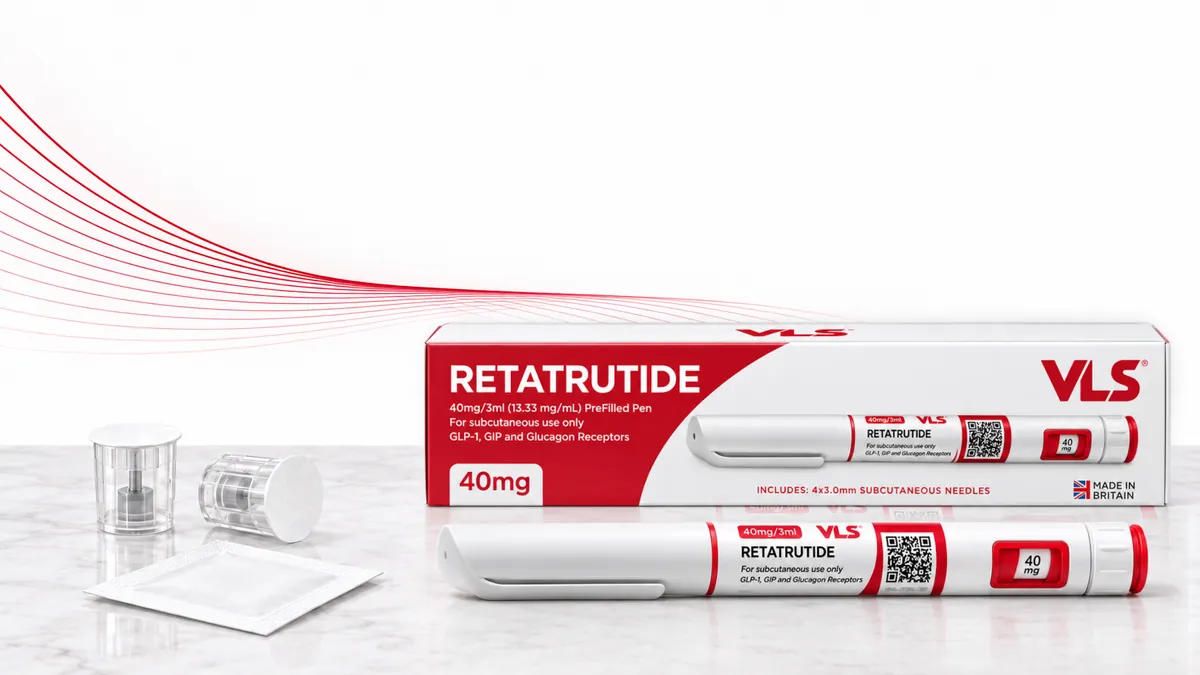
As an example we take the VLS retatrutide 40 mg pen, which holds 40 mg in 3 mL. Knowing each part beforehand avoids doubts at the very moment they help least.
The 3 mL reservoir is multi-dose: one reservoir lasts for several uses, and from one use to the next only the needle is replaced. The window is where the setting chosen with the selector is read, and it has to match what your healthcare professional indicated. The cap covers the tip of the pen and the window, protecting them between uses. The needle is short, 3.0 mm, designed for the subcutaneous tissue; the box holds four, and each one is used once only.
What to check before opening the box and before each use
With the box still closed, the seal should be intact, the printed batch number and expiry date should be easy to read, and the code can be checked on the verification page. Once opened, the pen and four needles should be inside. From that moment on, the pen lives in the refrigerator.
Before each use the check is short and always the same: the expiry date is still valid, the solution looks clear with no particles or change of colour, you have your healthcare professional's instructions to hand, and there is a fresh needle and a rigid container to dispose of it in. If the solution looks different, or if the pen has frozen or taken a hard knock, do not use it and ask before going further.
Safe-handling habits
A short list to keep in view:
- A new needle for every application; a used needle is never fitted again.
- The needle is not left on the pen when it is put away.
- Used needles go into a rigid sharps bin with a lid, never into household waste.
- The pen is personal: it is not shared, even with a changed needle.
- The setting and frequency given by the professional are not changed on your own.
- The pen is kept out of reach of children and pets.
When the bin is full, it is closed and handed in through your city's sharps-waste collection.
Storage between uses
Between one use and the next, the pen goes back into the refrigerator with its cap on, at 2 to 8 °C and away from the freezer compartment. Freezing it or leaving it outside the stated cold range can affect the solution; if in doubt, ask before using it. The full conditions, including what to do if it was left out of the refrigerator, are in the article on storage and shelf life.
If anything does not match this guide or the manufacturer's instructions, stop and ask before going on; you can reach us through the contact page. To understand what the label says, see Concentration. Informational content; it does not replace the advice of a healthcare professional.