 Presented by PAY FIT


Do obesity injections cause muscle loss? What the evidence shows
Part of the body weight reduced with tirzepatide is lean mass. What the studies measured, why muscle matters for longevity and what helped to preserve it in the trials.
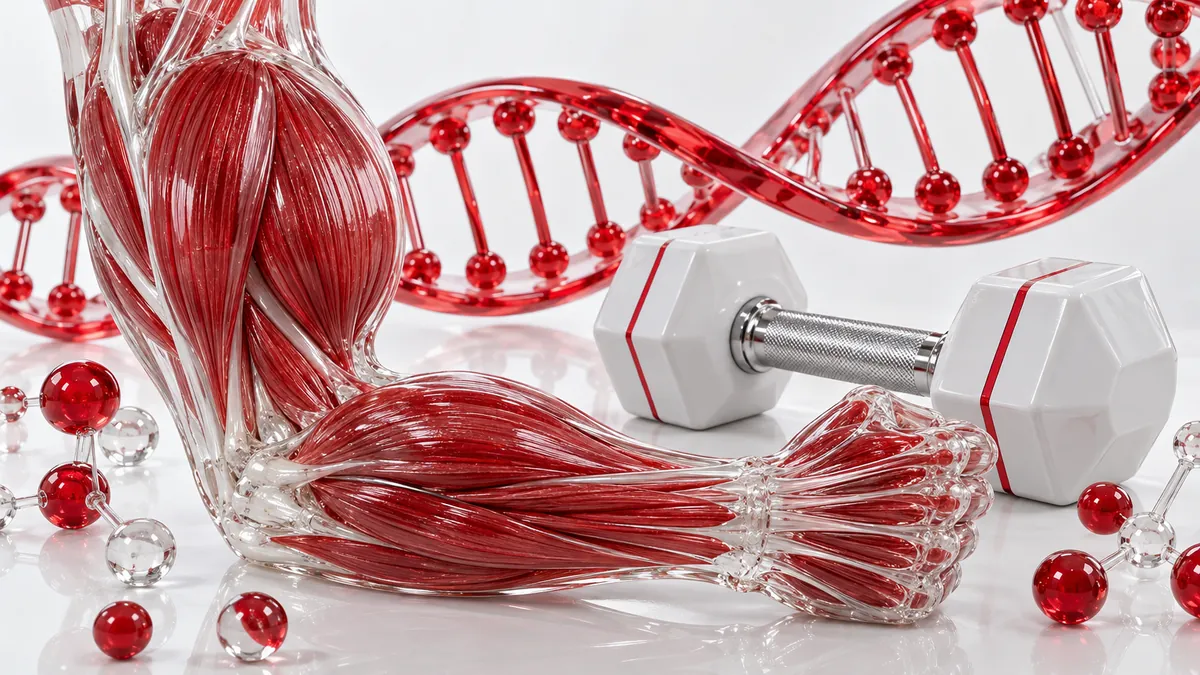
Yes: part of the body weight reduced with medicines such as tirzepatide is lean mass, not just fat. But that happens with almost any reduction in weight, including through diet and exercise. The useful question is not whether some muscle goes, but how much, in whom, and what can be done to keep it. The answer matters more than it seems, because muscle has become one of the most reliable indicators of how we will age.
Why has muscle become a longevity topic?
For years muscle was linked to looks or sport. Today medicine treats it as an organ. In 2019 a European consensus published in the journal Age and Ageing redefined sarcopenia as a disease of muscle, a “muscle failure” that builds up over a lifetime, and made low strength its main sign, ahead of the amount of mass.
Strength says a lot. The PURE study, published in The Lancet in 2015, measured hand-grip strength in around 140,000 people across 17 countries. In that population, every 5 kg less grip was associated with a 16% higher risk of death from any cause, and strength predicted mortality better than systolic blood pressure did. It is an association and does not prove cause and effect, but it explains why so many researchers describe muscle as a reserve for old age.
How much muscle is lost with tirzepatide?
The most quoted figure comes from a SURMOUNT-1 substudy published in 2025 in the journal Diabetes, Obesity and Metabolism. One hundred and sixty participants had a body scan (DXA) at the start and at 72 weeks. In the group given tirzepatide, about a quarter of the weight reduction was lean mass and three quarters was fat. Strikingly, the proportion was almost the same in the placebo group, which reduced less weight with only the diet and activity advice that everyone received. These are group averages and do not predict what will happen to any one person.
The figure needs careful reading: the lean mass measured by DXA is not only muscle, since it includes water, organs and connective tissue. What matters for health is whether strength and function are maintained, which is exactly what the sarcopenia consensus puts first.
Who needs to pay more attention?
The risk weighs more on those who start with little reserve, such as older people or anyone who already has low strength. A trial that NEJM (New England Journal of Medicine) published in 2017 started from exactly that concern: in older adults with obesity, reducing weight could speed up the age-related loss of muscle and bone. For them, looking after strength during any treatment matters as much as the number on the scales.
What did the studies show about preserving muscle?
In that 2017 trial, 160 older adults with obesity followed a weight-management programme with aerobic exercise, with resistance training or with both; a fourth group, the control, followed no programme. The exercise groups reduced their weight by similar amounts, but those who did resistance training, alone or combined, lost less lean mass and less bone density than those who did aerobic exercise only. The combination improved physical function the most.
Diet also counts, with enough protein within a balanced plan. How much and how depends on the individual: the person who sets the exercise and eating plan, and who oversees any treatment, is the healthcare professional.
Are medicines to protect muscle on the way?
It is one of the most active lines of research. A phase 2 trial published in Nature Medicine in 2026 tested bimagrumab, an antibody designed to reduce fat and promote muscle growth, alone and combined with semaglutide, in 507 adults with obesity. The combination reduced body weight the most, and the adverse events reported for bimagrumab included muscle spasms, diarrhoea and acne. It is still research: larger and longer studies are needed before we know what place it might have.
To understand how these molecules are researched, see how the evidence is built, phase by phase. On the price of tirzepatide and who can afford it, read what the research proved and why it costs so much; and on habits that help through any change in appetite, eating, drinking, moving and resting.
Informational content; it does not replace advice from a healthcare professional.
Sources
- Sarcopenia: revised European consensus on definition and diagnosis (Age and Ageing, 2019)
- PURE study: prognostic value of grip strength (The Lancet, 2015)
- Body composition with tirzepatide in the SURMOUNT-1 trial (Diabetes, Obesity and Metabolism, 2025)
- SURMOUNT-1: tirzepatide in obesity (New England Journal of Medicine, 2022)
- Aerobic, resistance or combined exercise in older adults with obesity reducing weight (New England Journal of Medicine, 2017)
- Bimagrumab with semaglutide in obesity: a phase 2 trial (Nature Medicine, 2026)